
You might be straight out of school, university, or working a full-time job and wondering whether freelancing could be an option for you.
I was in a very similar position myself.
For years, I experimented with different freelance projects while working full-time as a digital marketing specialist. Some opportunities worked, some didn’t, and it took a lot of trial and error before I found a path that suited me.
Then, in mid-2025, I made the jump and became a full-time freelancer.
If you’re thinking about doing the same, this guide will show you exactly how I got started, what worked for me, and the practical steps you can take to begin your own freelancing journey.
Pick What You’re Good At
The first thing you need to do when starting freelancing is decide what service you’re actually going to offer.
A lot of beginners make the mistake of trying to do everything. Others go so niche that there simply isn’t enough demand to build a sustainable business.
I recommend finding a middle ground.
For example, let’s say you want to become a photographer.
Being a general photographer can make it difficult to stand out because there is a lot of competition.
On the other hand, offering photography exclusively for Bengal cats might be too specific. There may be some demand, but probably not enough to support a full-time business.
A better option might be something like:
- Pet photography
- Event photography
- Family photography
- Commercial photography
This gives you a clear niche while still providing enough potential clients.
The same applies regardless of your skill:
- Graphic design
- Writing
- Web design
- Social media management
- Video editing
- Digital marketing
- Virtual assistance
Start by looking at your existing skills and experience.
You don’t need to learn something completely new before becoming a freelancer. Often, the easiest path is turning skills you already have into a service people will pay for.

How to Get Clients
Having a service to offer is great.
The difficult part is finding people willing to pay for it.
Before creating profiles or signing up for platforms, think about what you would want to see if you were hiring a freelancer.
Build a Portfolio First
The biggest thing clients want is proof that you can do the work.
If you were hiring a photographer, you’d want to see examples of their photos.
If you were hiring a copywriter, you’d want to read samples of their writing.
The same principle applies to every freelance service.
Your portfolio could be:
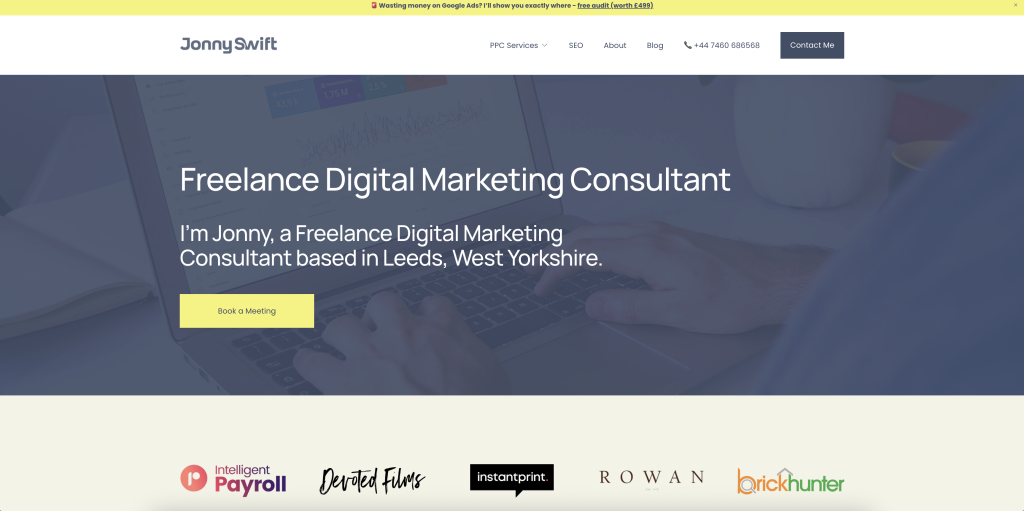
- A website (I strongly recommend – see mine here)
- A PDF document
- A PowerPoint presentation
- A Google Slides presentation
- A portfolio platform relevant to your industry
Personally, I recommend creating a website.
It looks professional, helps you stand out, and gives potential clients somewhere to learn more about your services.
Your portfolio should include:
- Examples of previous work
- Case studies where possible
- Client testimonials and reviews
- Your experience and background
- Contact information
If you don’t have client reviews yet, don’t worry.
Simply focus on demonstrating your skills through examples of your work.
Freelance Platforms
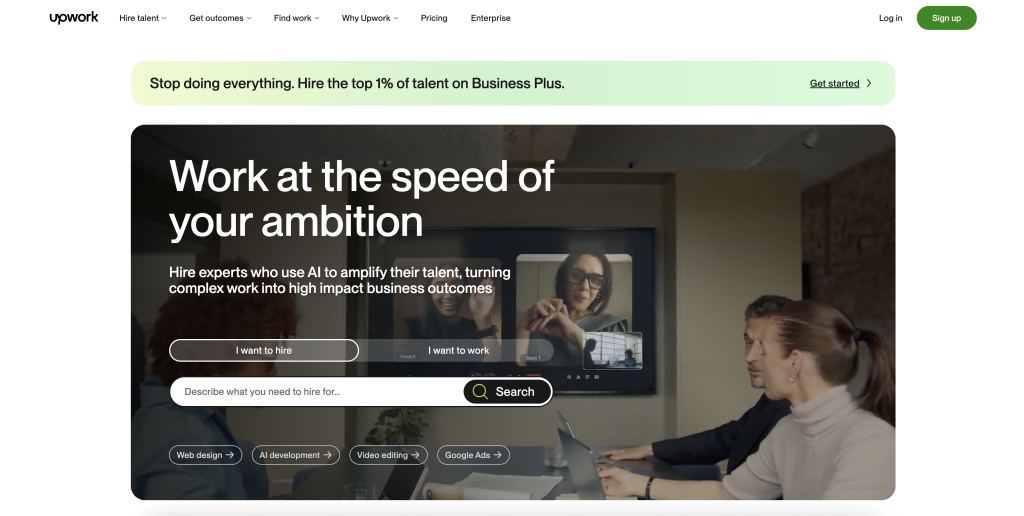
Many people start on platforms such as:
- Upwork
- Fiverr
- Freelancer.co.uk
- etc.
This is where I first experimented with finding freelance clients.
The challenge is that these platforms are extremely competitive.
You’re often competing against freelancers from countries with a lower cost of living, meaning they can charge significantly less for similar services.
That doesn’t mean you shouldn’t use them.
They can be useful for:
- Gaining experience
- Building confidence
- Collecting testimonials
- Learning how to work with clients
Just don’t rely on them as your only source of leads.
Use SEO to Find Clients
One of the most effective ways I’ve found clients is through SEO (Search Engine Optimisation).
If you have your own website, you can create pages and content targeting services you offer.
For example, if you specialised in pet photography, you could create pages about:
- Bengal cat photography
- Ragdoll cat photography
- Pet photography in your local area
This allows you to appear in search results when people are actively looking for those services.
I do this myself as a digital marketer.
I have service pages targeting locations such as Leeds and Yorkshire, and these have generated excellent results over time.
SEO isn’t an overnight strategy, but it can create a steady stream of inbound enquiries once it starts working.
Use Social Media
Social media can also be a great way to attract clients.
LinkedIn is particularly useful for professional services because people are already thinking about business when they use it.
You could also create content on:
- YouTube
- TikTok
- X
The goal is to showcase your expertise and build trust.
When people consistently see helpful content from you, they’re more likely to contact you when they need your services.
Cold Calling and Cold Emailing
These methods can work, but they’re not my favourite.
Personally, I dislike cold calling.
I find it uncomfortable, and many people simply aren’t in buying mode when you contact them.
That said, some freelancers have built entire businesses using cold outreach.
Cold emailing is another option.
The challenge is that many emails end up ignored, deleted, or sitting in spam folders.
If you do use cold outreach:
- Keep messages short
- Personalise each message
- Focus on helping rather than selling
- Follow up professionally
Use Your Existing Network
One of the easiest places to start is with people you already know.
Consider:
- Family
- Friends
- Former colleagues
- Business contacts
- Local business owners
You never know who may need your services or know somebody who does.
Sometimes your first client comes from a conversation rather than a marketing strategy.
Can You Do Freelancing Full-Time?
Some people are perfectly happy keeping freelancing as a side hustle.
Others dream of turning it into their full-time career.
If you’re considering going full-time, ask yourself a few important questions.
Is There Enough Demand?
You know your industry better than anyone else.
Ask yourself:
- Are businesses actively buying this service?
- Can you find clients consistently?
- Is there enough work available?
Passion is important, but demand matters too.
Can You Build a Business Around It?
One thing I’ve learned is that successful freelancing isn’t just about being good at a skill.
You need to think like a business owner.
That means considering:
- Marketing
- Sales
- Client acquisition
- Pricing
- Finances
- Systems and processes
Every business is different, so there isn’t a one-size-fits-all answer.
However, if your goal is full-time freelancing, it’s worth thinking beyond the service itself and focusing on how you’ll create a sustainable business around it.
Going From Side Hustle to Full-Time Freelancer
If your side hustle starts gaining momentum, you’ll eventually face a big question:
“When should I go full-time?”
When I became a full-time freelancer, I had been freelancing on the side for around six months.
It was slow at first.
There were weeks where nothing happened and weeks where things suddenly picked up.
When I finally made the jump, I wasn’t earning as much as I had been in my full-time role.
But I believed the opportunity was worth the risk.
One thing I’ve realised is that there is rarely a perfect time.
You can always find another reason to wait:
- More savings
- More clients
- More experience
- Better timing
At some point, you need to make a calculated decision and trust yourself.
That doesn’t mean being reckless.
It means assessing the risks, understanding your finances, and deciding whether the potential reward justifies the leap.
For me, it did.
And looking back, I’m glad I took the chance.
Conclusion
Learning how to start freelancing isn’t complicated, but building a successful freelance business takes time and effort.
Start by identifying a skill you can offer, create a portfolio that demonstrates your abilities, and focus on finding your first clients through channels that suit your strengths.
Remember that getting your first client is often the hardest part.
Leave a Reply