One of the most frustrating parts of freelancing isn’t finding clients – it’s waiting to get paid.
You finally start landing freelance work, only to discover that some clients don’t pay until the end of the month, invoices sit unanswered for weeks, or you’re constantly chasing payments that should have already arrived.
Cash flow is one of the biggest challenges for freelancers, especially when you’re just starting out. Even if you’re earning good money on paper, it doesn’t help much if the money isn’t actually in your account when you need it.
In this guide, I’ll share some practical ways to get paid faster as a freelancer. However, it’s important to understand that every method has pros and cons. What works for one freelancer may not work for another, so make sure you consider each option carefully before making changes to how you work.
One important caveat before we begin: if you’re using freelance platforms such as Fiverr or Upwork, your payment options are often restricted by the platform’s rules. These platforms are designed to keep payments within their systems, and there isn’t usually much you can do to speed things up. Because of that, this article focuses primarily on working directly with clients rather than through freelance marketplaces.
1. Use Automatic Payments
One of the easiest ways to avoid chasing invoices is to set up automatic payments.
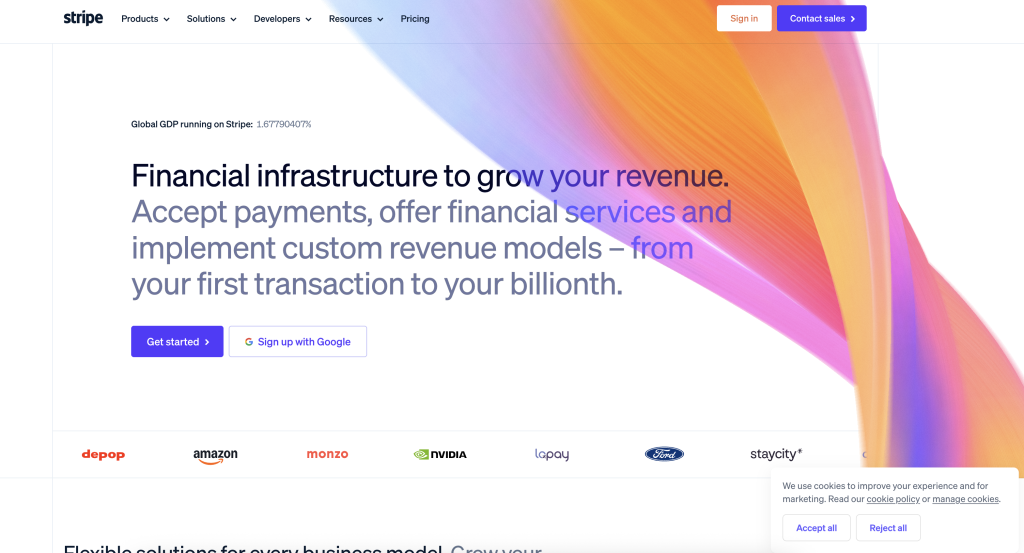
Many payment processors and financial software providers offer recurring billing features. For example, Stripe allows you to charge clients automatically on a recurring basis once they’ve authorised the payment arrangement.
When I first started freelancing, I had a client who paid on the first day of every month. Rather than sending an invoice and waiting, I simply set up an automatic monthly payment. The money arrived on the same date every month without any chasing or reminders.
The biggest advantage is consistency. You know exactly when you’ll be paid, and the client doesn’t have to remember to manually process invoices each month.
However, there are some downsides.
The main one is fees. Payment processors often take a percentage of each transaction. As my freelance income increased, those fees became more noticeable, and I eventually moved away from automatic billing to keep more of my earnings.
Pros:
- Payments arrive automatically
- Less time spent chasing invoices
- Predictable cash flow
- Convenient for long-term clients
Cons:
- Processing fees can add up
- Some clients may not want recurring billing arrangements
2. Get Paid Before You Start the Work
This is probably the biggest change that improved my cash flow as a freelancer.
Whenever possible, I prefer clients to pay before I begin the work.
Some freelancers are comfortable invoicing after the work has been completed, but I’ve always felt that approach carries unnecessary risk. If the client delays payment or disappears altogether, you’ve already invested your time and effort with no guarantee of being paid.
By collecting payment upfront, you remove that uncertainty.
For example, if a client pays at the beginning of the month and you’re delivering services throughout the month, you’ve already secured the income before doing the work.
I’ve also had situations where clients stopped communicating or changed plans unexpectedly. Because payment had already been received, I wasn’t left frustrated after spending weeks working without compensation.
Of course, this approach is easier once you’ve built trust and credibility. New clients may need reassurance, so make sure your communication, portfolio and onboarding process help build confidence.
Benefits of upfront payments include:
- Improved cash flow
- Reduced risk of non-payment
- Less time spent chasing invoices
- More confidence when planning your business finances
Example in my contract:

3. Send Invoices Before They’re Due
A simple trick that many freelancers overlook is sending invoices early.
Some clients have internal payment processes that take time. If they don’t receive the invoice until the exact due date, payment may be delayed simply because it hasn’t entered their system yet.
I often send invoices around a week before they’re due. This gives the client plenty of time to process the payment and often results in being paid earlier than expected.
A few tips that help:
- Send invoices at least a week in advance
- Email the invoice directly to the client
- Include clear payment instructions
- Make the due date obvious
I also use Monzo’s invoicing features from time to time because they make sharing payment details straightforward.
While some accounting software can automate invoice delivery, don’t underestimate the value of sending a direct email as well. People are busy, and reminders can make a big difference.
4. Put Payment Terms in Your Contract
Every freelancer should have a contract in place before starting work.
While I’m not a lawyer and this isn’t legal advice, having clear payment terms written into your contract can prevent a lot of problems later.
Your contract should clearly state:
- How much you’re charging
- When payment is due
- What work is included
- Any deposit requirements
- What happens if payment is late
Some freelancers include late payment fees in their contracts. This can encourage clients to pay on time, but I’d recommend using it carefully. You don’t want to damage an otherwise good client relationship over a small delay.
The main goal is to set expectations from the start so there are no surprises for either party.
A good contract protects both you and the client and creates a more professional working relationship.
5. Pick Up the Phone
Most freelancers prefer email.
I certainly do.
But sometimes the fastest way to solve a payment issue is simply to call the client.
If an invoice is overdue, a quick phone call can often achieve more than several email reminders. In many cases, clients aren’t deliberately avoiding payment. They may have forgotten, missed an email, or simply got busy.
A polite call or WhatsApp message can bring the invoice back to their attention and speed things up significantly.
Keep it friendly and professional.
You don’t need to be aggressive. Something as simple as:
“Hi, just checking whether you received the invoice I sent over last week.”
is often enough to get things moving.
Most clients will apologise and arrange payment as soon as they’re reminded.

Final Thoughts
Getting paid faster as a freelancer isn’t always about earning more money. Often, it’s about improving your systems and reducing delays.
A few small changes can make a big difference:
- Set up automatic payments where appropriate
- Consider requesting payment upfront
- Send invoices early
- Include clear payment terms in your contracts
- Follow up by phone when necessary
Not every method will be right for every freelancer, and there are advantages and disadvantages to each approach. The key is finding a payment process that works for both you and your clients while keeping your cash flow healthy.
The less time you spend chasing payments, the more time you can spend doing paid work and growing your freelance business.
Leave a Reply