
So, you’re a talented graphic designer and you want to make some extra money through freelancing.
Whether you’re looking for a side hustle alongside your current job or you’re hoping to eventually become a full-time freelance graphic designer, there has never been a better time to get started.
The good news is that businesses constantly need graphic design work. From logos and social media graphics to brochures, websites and branding projects, there is plenty of demand for skilled designers.
The challenge isn’t learning how to design. It’s learning how to market yourself and find clients.
In this guide, I’ll show you exactly how to start freelancing as a graphic designer, build a portfolio, find your first clients and decide whether freelancing is something you want to turn into a full-time business.
Get Your Graphic Design Portfolio Together
Before you start looking for clients, you need something that demonstrates your skills.
With graphic design, your portfolio is everything.
Clients don’t really care how good you are at selling yourself if your design work doesn’t impress them. They want to see what you can create and whether your style matches what they’re looking for.
That’s why the first step is putting together a strong portfolio.
Use Existing Design Work
If you’ve already completed graphic design work for previous employers, clients or personal projects, that’s a great starting point.
Choose your best work rather than trying to include everything.
Focus on projects that:
- Show a variety of skills
- Demonstrate professionalism
- Reflect the type of work you want to get hired for
- Highlight measurable results where possible
For example, if you want to specialise in automotive graphic design, try to showcase designs related to cars and automotive brands.
The more relevant your portfolio is to your target clients, the easier it becomes for potential customers to imagine working with you.
No Experience? Create Mock Projects
One of the best things about graphic design is that you don’t necessarily need paying clients to build a portfolio.
You can create:
- Logo concepts
- Brand identity packages
- Social media graphics
- Website mock-ups
- Product packaging concepts
- Marketing materials
These projects can demonstrate your creativity and technical ability just as effectively as real client work.
Just make sure you’re using brands and intellectual property appropriately and legally when creating mock projects.
The goal is simple: show potential clients what you’re capable of producing.
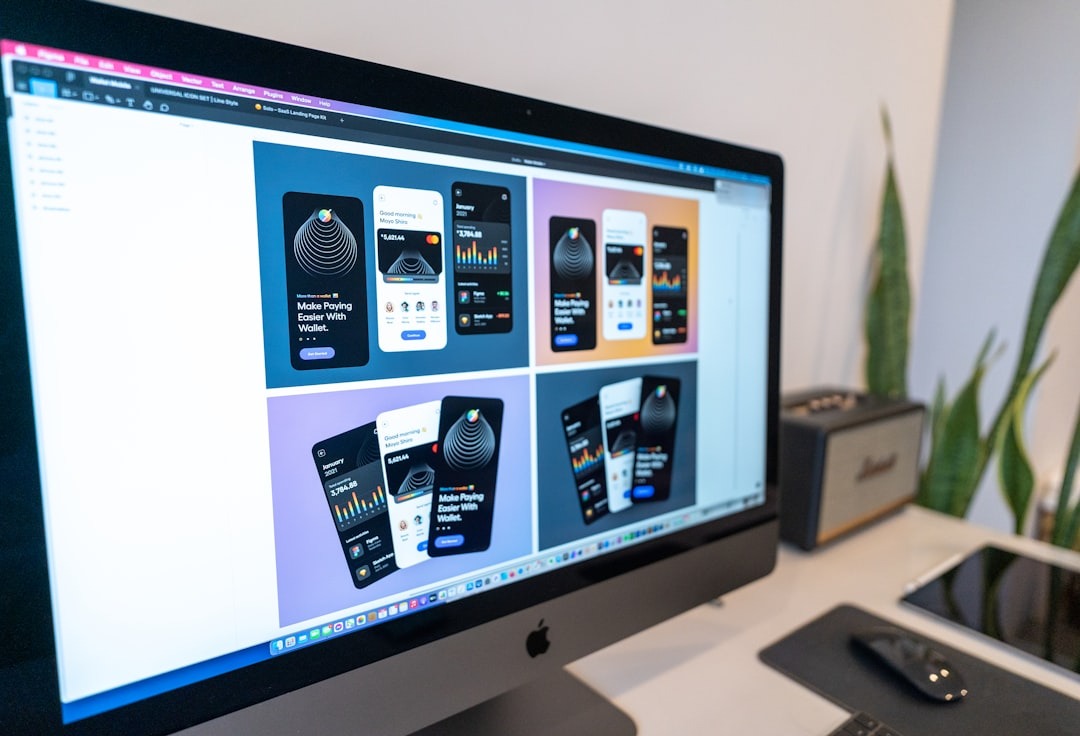
Build a Website
A portfolio website isn’t essential, but it can make a huge difference.
Having your own website allows you to:
- Showcase your portfolio professionally
- Build trust with potential clients
- Generate enquiries through Google
- Create service pages for specific design services
- Stand out from freelancers who only use platforms like Fiverr
A simple website with your portfolio, services, contact details and a few helpful blog posts can go a long way.
How to Find Graphic Design Clients
Once your portfolio is ready, it’s time to start looking for work.
There are plenty of ways to find freelance graphic design clients, but some methods tend to work better than others.
Freelance Platforms
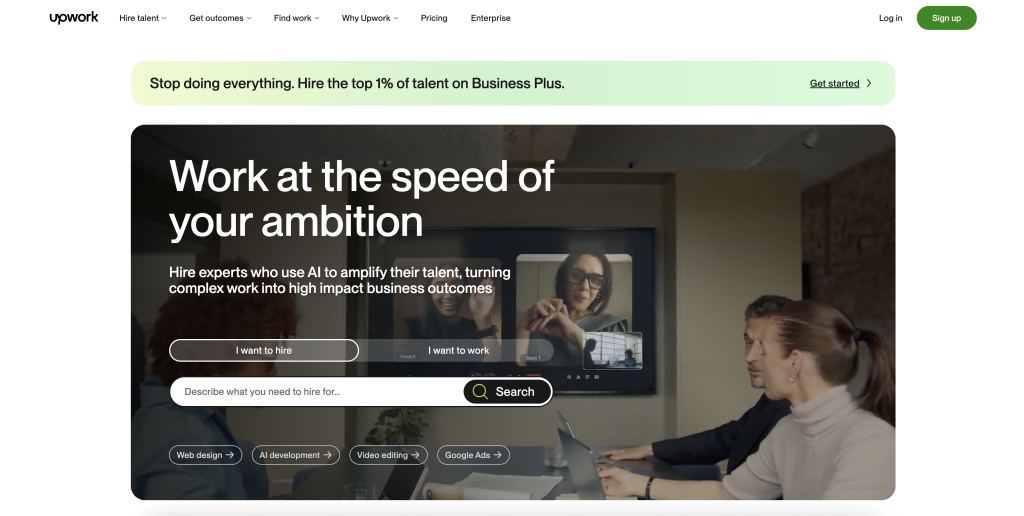
The obvious starting point is freelance marketplaces such as:
These platforms already have businesses actively searching for graphic designers.
For example, a company looking for a knitwear designer may specifically search for someone with experience in that industry.
This makes freelance platforms attractive because the demand already exists.
However, there’s a downside.
These platforms are highly competitive. You’ll often be competing against freelancers from around the world, including countries where living costs are significantly lower.
That doesn’t mean you can’t succeed, but you may need to:
- Build reviews first
- Charge lower rates initially
- Focus on delivering excellent work
- Develop a niche that helps you stand out
Many successful freelancers started on these platforms before moving towards direct client acquisition.
Build Your Own Website and Generate Leads
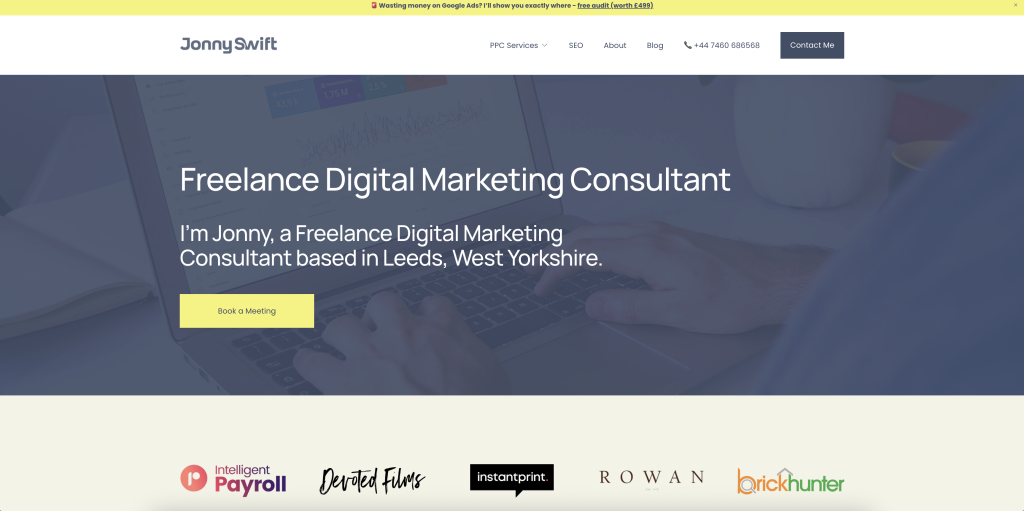
One of the most underrated ways to find clients is through your own website.
This is actually how I generate many of my clients as a digital marketing consultant.
People search Google every day for terms such as:
- Graphic designer in Leeds
- Freelance logo designer
- Brand designer near me
- Packaging designer UK
If your website appears in those searches, potential clients can find you without using freelance platforms.
The best part is that you’re not competing directly inside a bidding system.
To improve your chances of ranking in Google:
- Create service pages
- Showcase your portfolio
- Publish helpful blog content
- Include testimonials where possible
- Optimise your website for local searches
Over time, this can become a reliable source of enquiries.
Use Social Media
Graphic design is a visual service, which means social media can work extremely well.
My recommendation is to focus primarily on:
LinkedIn is one of the best platforms for reaching business owners and decision-makers.
Make sure your profile:
- Clearly states you’re a graphic designer
- Highlights your specialisms
- Includes portfolio examples
- Uses relevant industry keywords
Instagram is naturally suited to graphic designers.
Use it to:
- Showcase recent work
- Share behind-the-scenes content
- Display design processes
- Build a personal brand
Potential clients often want proof of your skills before contacting you, and Instagram provides a great platform for that.
Consider YouTube
If you’re comfortable in front of a camera, YouTube can help you stand out from the competition.
Not many graphic designers create content consistently.
By sharing:
- Design tutorials
- Portfolio breakdowns
- Client project examples
- Industry tips
You can position yourself as an expert and build trust before a client even contacts you.
Networking, Friends and Family
Networking can feel intimidating at first.
Most people picture awkward sales conversations and forced introductions.
In reality, networking is often just about having normal conversations with people.
I’ve personally hired someone for personal branding after meeting them at a local networking event.
They weren’t aggressively selling their services. They simply mentioned what they did and showed examples of their work.
The same opportunities exist for graphic designers.
You never know who might need:
- A logo
- A rebrand
- Marketing materials
- Social media graphics
- Website design support
It’s also worth mentioning your services to friends and family.
Many people know business owners who may need design help.

Cold Emailing and Cold Calling
This isn’t my favourite approach, but it can work.
Rather than sending generic messages, try to provide value upfront.
For example, you could:
- Identify a design issue on a company’s website
- Create a quick design concept
- Explain how you would improve their branding
This approach demonstrates your skills immediately rather than simply telling people you’re a graphic designer.
The key is personalisation.
A thoughtful email with genuine effort behind it will always outperform a copy-and-paste template.
Turning Freelance Graphic Design Into a Business
Finding a few clients is one thing.
Building a sustainable freelance business is another.
Before quitting your job, you need to understand whether freelancing can realistically support your financial goals.
Understand Your Potential Earnings
Many graphic designers work through agencies that source projects on their behalf.
Others find clients directly.
The amount you earn will depend on:
- Your experience
- Your niche
- Your portfolio quality
- Your ability to attract clients
- Your pricing structure
It’s important to recognise that graphic design is becoming increasingly competitive.
AI tools are making certain design tasks quicker and easier than ever before.
That doesn’t mean graphic designers are becoming obsolete, but it does mean that clients are becoming more selective.
The designers who succeed are usually those who combine strong creative skills with excellent communication and business skills.
Start as a Side Hustle
For most people, starting as a side hustle is the safest option.
That’s exactly what I did as a digital marketing consultant.
I freelanced alongside my regular job for around six months before moving into freelancing full-time.
This approach allows you to:
- Build a portfolio
- Gain confidence
- Develop systems
- Generate recurring income
- Test whether freelancing is right for you
Without placing unnecessary financial pressure on yourself.
Don’t Wait for the Perfect Time
One mistake I see all the time is people waiting for the perfect moment.
The reality is that there usually isn’t one.
There will always be reasons to delay:
- You want a bigger portfolio
- You want another qualification
- You want more savings
- You want more experience
At some point, you simply need to start.
That doesn’t mean being reckless.
It means making sensible decisions that fit your personal financial situation while taking action consistently.
Progress comes from doing, not waiting.
Final Thoughts
Learning how to start freelancing as a graphic designer isn’t complicated, but it does require patience and consistency.
Focus on:
- Building a strong portfolio
- Creating a professional online presence
- Finding clients through multiple channels
- Developing your reputation
- Growing gradually and sustainably
Getting your first client is often the hardest part.
Once you’ve completed a few successful projects, gained testimonials and built confidence, things usually become much easier.
If you’re serious about becoming a freelance graphic designer, start today. Build your portfolio, put yourself out there and begin having conversations with potential clients.
You don’t need everything to be perfect before you begin.
You simply need to get started.
Leave a Reply