
So, you’ve probably heard of SEO, or maybe you’ve already got some experience with it, and now you’re wondering whether becoming an SEO freelancer is the right move.
As a digital marketing consultant, my primary focus is advertising, but I also provide SEO services for many of my clients. Over the years, SEO has become an important part of my freelance business and has generated a steady stream of work alongside my advertising services.
In this guide, I’ll show you exactly how to become an SEO freelancer, whether you’re starting from scratch or already have some experience under your belt.
Let’s start with the most important question.
What SEO Experience Do You Have?
I’m guessing that most people reading this article already have some level of SEO knowledge or have at least experimented with it.
However, if you’re completely new to SEO, this section is for you.
I have to admit, I think it’s pretty ballsy wanting to become an SEO freelancer without any experience. After all, clients are trusting you to help improve their visibility online.
That said, everyone starts somewhere.
Learn the Fundamentals
Before charging clients, you need a solid understanding of how SEO works.
Some ways to learn include:
- Free educational YouTube channels
- SEO blogs and industry websites
- SEO certifications
- Online courses
- SEO communities and forums
There are plenty of resources available that can help point you in the right direction.
Build Your Own Website
Personally, I think one of the best ways to learn SEO is by doing it.
A lot of people spend months studying theory without ever putting it into practice.
Instead, create your own website and start trying to rank it.
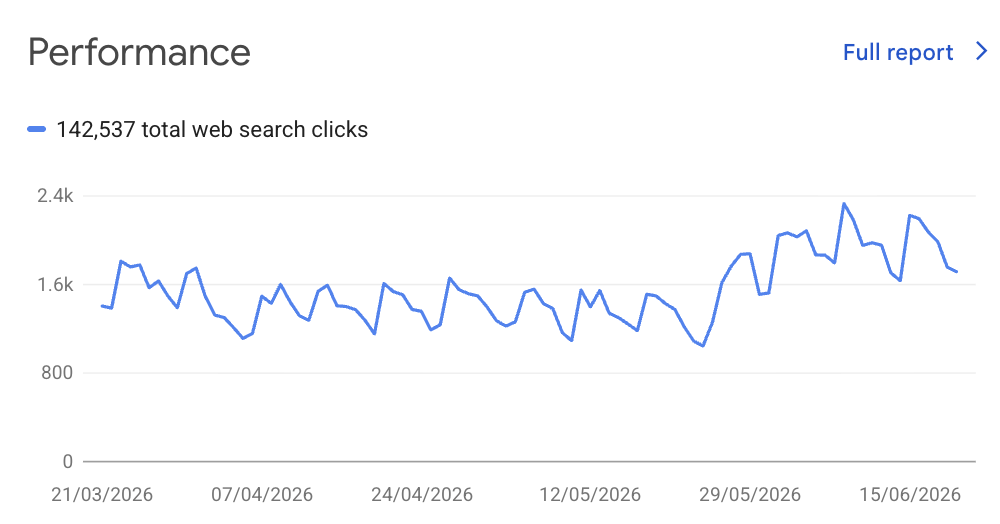
For example, I created this website to help freelancers. The experience of growing a website from scratch teaches you far more than simply watching videos.
You’ll learn:
- Keyword research
- Content creation
- Technical SEO
- Internal linking
- Local SEO
- Analytics
- Search performance monitoring
Most importantly, you’ll gain real-world experience that you can talk about when speaking with potential clients.
Help Friends, Family and Local Businesses
Another great option is to offer your help to people you know.
You could:
- Help a friend’s business website
- Optimise a family member’s website
- Offer free SEO work in exchange for a testimonial
- Volunteer your services for a local organisation
The goal isn’t to make money immediately.
The goal is to build experience and create case studies.
Consider Apprenticeships or Agency Work
If you’re completely new to SEO, working within an agency or apprenticeship can be a fantastic way to learn.
You’ll gain hands-on experience while learning from people who already work in the industry.
For beginners starting from scratch, this is probably one of the quickest ways to develop your skills.
How to Get SEO Clients
Once you’ve got some experience, the hardest part of freelancing begins.
Getting clients.
Many aspiring freelancers focus entirely on improving their skills but never spend enough time learning how to market themselves.
Here are the channels I recommend.
1. Create Your Own Website
This might sound obvious, but you’d be surprised how many SEO freelancers don’t have their own website.
If you’re offering SEO services, your website should be one of your strongest marketing tools.
For example, I have SEO service pages on my own website targeting my local area. These regularly generate enquiries and have provided several SEO leads throughout 2026.
Your website can include:
- Service pages
- Local SEO pages
- Blog content
- Case studies
- Testimonials
- Contact forms
If you’re genuinely good at SEO, your website should demonstrate that.

Write SEO-Focused Blog Content
Blog content can help attract potential clients who are searching for answers online.
Thanks to AI, creating content has become easier than ever.
However, don’t rely entirely on AI-generated content.
Use your own expertise, experience and opinions to create content that actually helps readers.
That’s what separates useful content from generic content.
2. Use Freelance Platforms
Freelance marketplaces can be useful when you’re first getting started.
Platforms include:
These platforms already have businesses actively looking for SEO help.
My personal favourite is Upwork.
That said, there are some downsides.
Many clients on these platforms are looking for lower-cost services, which can make it difficult to charge premium rates.
Personally, I don’t spend much time on these websites anymore because direct enquiries through my website tend to be much more profitable.
However, if you’re starting from zero and need your first few clients, they can be worth exploring.

3. Run Your Own Advertising
If you have some budget available, advertising can be a good way to generate leads.
You could run:
- Google Ads
- Meta Ads
- LinkedIn Ads
Google Ads can be expensive, especially in competitive markets.
Meta Ads are often cheaper but can generate softer leads.
One strategy I’ve seen work well is offering something valuable upfront.
For example:
- Free SEO audits
- Website performance reviews
- Competitor analysis reports
I personally offer free PPC audits, and they’ve consistently helped generate enquiries at a lower cost.
The same principle can work for SEO services.

4. Build a Social Media Presence
Nothing demonstrates expertise better than consistently sharing knowledge.
Platforms such as:
- YouTube
- TikTok
- X
allow you to showcase your skills and build trust.
YouTube is particularly effective because people actively search for educational content.
If you have spare time, create videos, guides and posts around SEO topics.
Over time, this positions you as an expert and makes it easier for potential clients to trust you.
5. Networking, Friends and Family
Sometimes the best opportunities come from simply talking to people.
Networking events can be incredibly valuable for freelancers.
Business owners often attend these events looking for solutions to problems.
I’ve personally attended networking events where I’ve hired other freelancers because they offered a service I needed.
The same can happen for you.
You may find:
- Business owners needing SEO help
- Agencies looking for freelancers
- Other freelancers seeking partnerships
- Referral opportunities
Don’t overlook your existing network either.
Friends, family and previous colleagues can often provide your first opportunities.
6. Cold Emailing and Cold Calling
I’ll be honest.
This isn’t something I particularly enjoy doing.
Cold outreach can be time-consuming and you’ll probably get ignored more often than not.
However, it can still work.
You could target:
- Local businesses
- Companies you’ve interacted with before
- Businesses with obvious SEO issues
The downside is that it can feel relentless, and excessive outreach can even create email deliverability issues if done poorly.
For most freelancers, I wouldn’t rely on this as a long-term strategy.
However, if you’re starting from scratch and need those first few clients, it can still be worthwhile.
Delivering SEO Services for Your Clients
Once you’ve found clients, you actually need to deliver results.
SEO is a huge field, but here are some of the common tasks I regularly work on.
Create New Website Pages
Creating relevant pages can help businesses target additional keywords and reach new audiences.
Publish Blog Content
Content helps expand a website’s reach and build authority over time.
Consistent content creation is still one of the most effective SEO strategies available.
Build Backlinks
Let’s be honest.
Nobody really enjoys link building.
However, quality backlinks remain an important part of SEO.
Sometimes great content naturally attracts links, but proactive outreach may still be required.
Improve Local SEO
For local businesses, local SEO can be incredibly important.
This includes:
- Google Business Profile optimisation
- Local citations
- Location pages
- Local keyword targeting
It’s also something I recommend implementing on your own freelance website.
Set Up Google Merchant Centre
For ecommerce businesses, Google Merchant Centre can provide free visibility opportunities.
Many people associate this purely with paid advertising, but free product listings are available and can generate additional traffic.
Install Analytics and Tracking
Every SEO project should include proper tracking.
This often includes:
- Google Analytics
- Google Search Console
- Google Tag Manager
- Conversion tracking
Without data, it’s difficult to measure success.
Common Mistakes New SEO Freelancers Make
Before we finish, here are a few mistakes I regularly see:
- Spending too much time learning and not enough time doing
- Charging too little for services
- Not creating a website
- Relying entirely on freelance platforms
- Ignoring networking opportunities
- Using AI content without adding personal expertise
- Failing to track results
Avoiding these mistakes can save you a lot of frustration in your first year.
Conclusion
Now you’ve got a clear roadmap for becoming an SEO freelancer.
Whether you’re starting with no experience or already have some SEO knowledge, the process is fairly straightforward:
- Learn SEO fundamentals.
- Gain practical experience.
- Build your own website.
- Start finding clients.
- Deliver results consistently.
- Grow through referrals and repeat business.
I’m not going to tell you exactly how to do SEO in this guide. If you’re planning to become an SEO freelancer, you should already be developing those skills or be willing to learn them.
What I’ve shown you here is how to turn those skills into a freelance business.
The biggest piece of advice I can give is not to overthink it. Build something, gain experience, help people and start putting yourself out there.
That’s how most successful SEO freelancers get started.
Leave a Reply